
Where We’re Improving Rural Food Systems
Feeding Appalachia,
Building Opportunity

-
A new 20,000 sq. ft. warehouse in Hazard will strengthen food distribution across seven Appalachian counties.
-
God’s Pantry, ARH, and KEDC are aligning local buying power to connect farms, schools, and hospitals.
-
Fresh food closer to home, lower costs for families, and new opportunities for Kentucky’s rural producers.
-
Serving 50 counties in Central and Eastern Kentucky, God’s Pantry works to end hunger through collaboration and innovation. Their new Hazard County warehouse will help bring fresh food to more families across Appalachia.
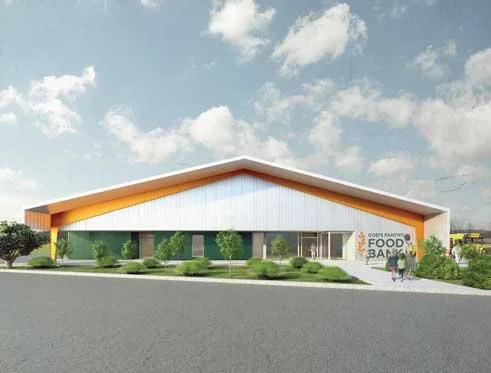
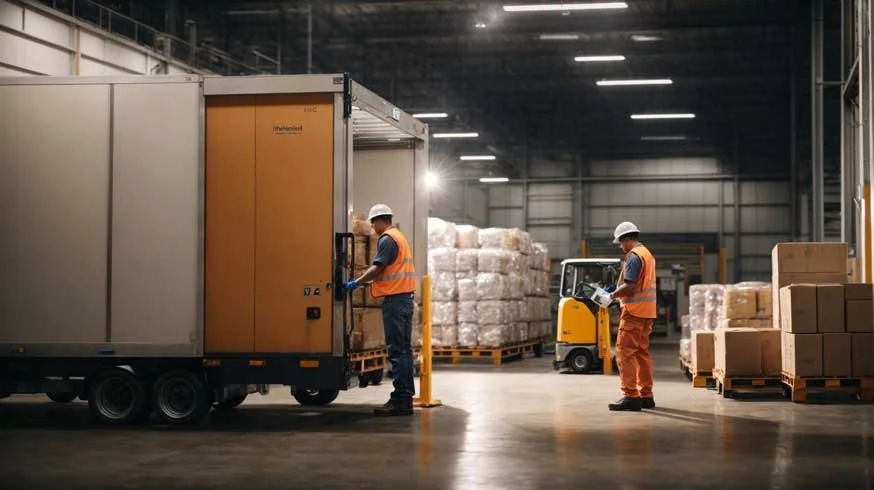
Warehouses4Good is partnering with God’s Pantry Food Bank (GPFB) to expand food access and strengthen the regional food economy in Eastern Kentucky. Together, we’re helping construct a new 20,000 sq. ft. food warehouse in Hazard County, a critical hub that will bring more fresh, local food to families, schools, and hospitals across seven Appalachian counties.
With partners Appalachian Regional Healthcare (ARH) and Kentucky Educational Development Corporation (KEDC), this facility will improve farm-to-institution supply chains, support local growers, and reduce long-distance transport of perishable goods. The result is a stronger local food system, one that feeds people, sustains producers, and grows opportunity throughout rural Kentucky.
Investing in Delta Communities
We are partnering with Delta Advantage Center (DAC) to transform the former Allen Canning Plant, a 295,000-square-foot facility on 95 acres in Moorhead, MS, into a regional food warehouse with dry and cold storage. Delta Advantage Center currently operates a food pantry and distribution program from this site. However, their ability to serve families is limited by the lack of refrigeration.
The new warehouse will expand cold-chain capacity, allowing DAC to accept and store more fresh, frozen, and perishable foods. This means more healthy food available for local families. The facility will also provide space for farmers who need reliable storage and distribution in the area.
Warehouses4Good is supporting pre-development, design, procurement, and construction, while helping build a local stakeholder team to manage operations.
Learn more about the Delta Advantage Center.
Community Impact
Strengthen local supply chains by keeping Delta-grown food in Delta communities.
Provide small and disadvantaged farmers with affordable cold storage.
Enable greater food distribution through DAC’s pantry by increasing refrigerated capacity.
Open access to wholesale and institutional markets across multiple regions.
Improve food access, nutrition, and long-term health outcomes in the Mississippi Delta.
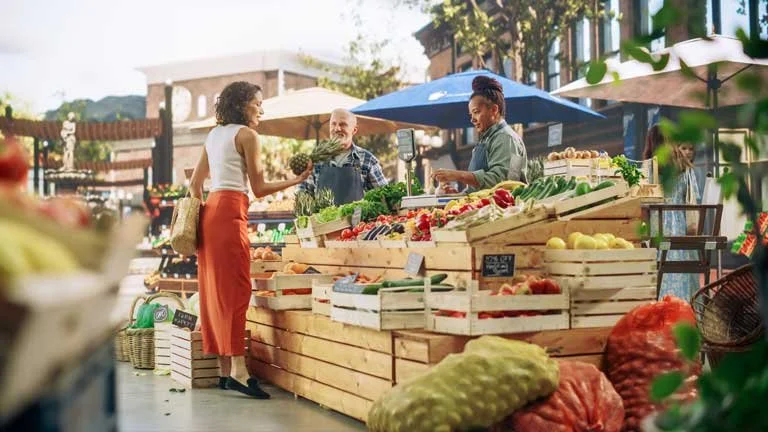
Warehouses4Good is helping transform how food moves, grows, and sustains communities across the Mississippi Delta. Each of our past projects has built a piece of that foundation, strengthening the connections, tools, and capacity that make a resilient regional food system possible.
Through the Regional Food Systems Partnership, we helped build an equitable, sustainable, and resilient regional trade network by connecting farmers, food businesses, and institutions.
Our Climate Smart Commodities project introduced conservation-
Transforming Local and Regional Food Systems in the Delta
driven production and branding strategies to increase the resilience and profitability of small producers. With the Local Foods Promotion Program, we supported the development of a mobile tool that helps small and underserved farmers manage food safety, inventory, and traceability.
We also served the Delta Regional Food Business Center, where we worked to build a more inclusive and connected food system across five Southern states: Alabama, Arkansas, Louisiana, Mississippi, and East Texas.
Strengthening Food Access on Hopi Lands
Nationwide, 1 in 7 individuals experience food insecurity. Hunger is even more prevalent on native lands.

1 in 4 experience food insecurity in Native American populations.
Across the Hopi Reservation, families often travel more than two hours for groceries, facing increased cost, high prices, and limited access to fresh, healthy food.
These barriers weigh heavily on one of the nation’s most remote and culturally significant communities.
Hopi Relief, in partnership with Warehouses4Good, is developing the Tribe’s first food warehouse and resource center, an essential step toward food sovereignty, cultural preservation, and stronger local economies.
Support aggregation, light processing, and storage of locally grown foods
Expand access to affordable groceries, supplies, and essentials
Strengthen on-reservation stores and keep dollars circulating locally
Increase the Tribe’s capacity to receive and distribute donated food and supplies
Key Benefits
Helping North Dakota Food Businesses Thrive
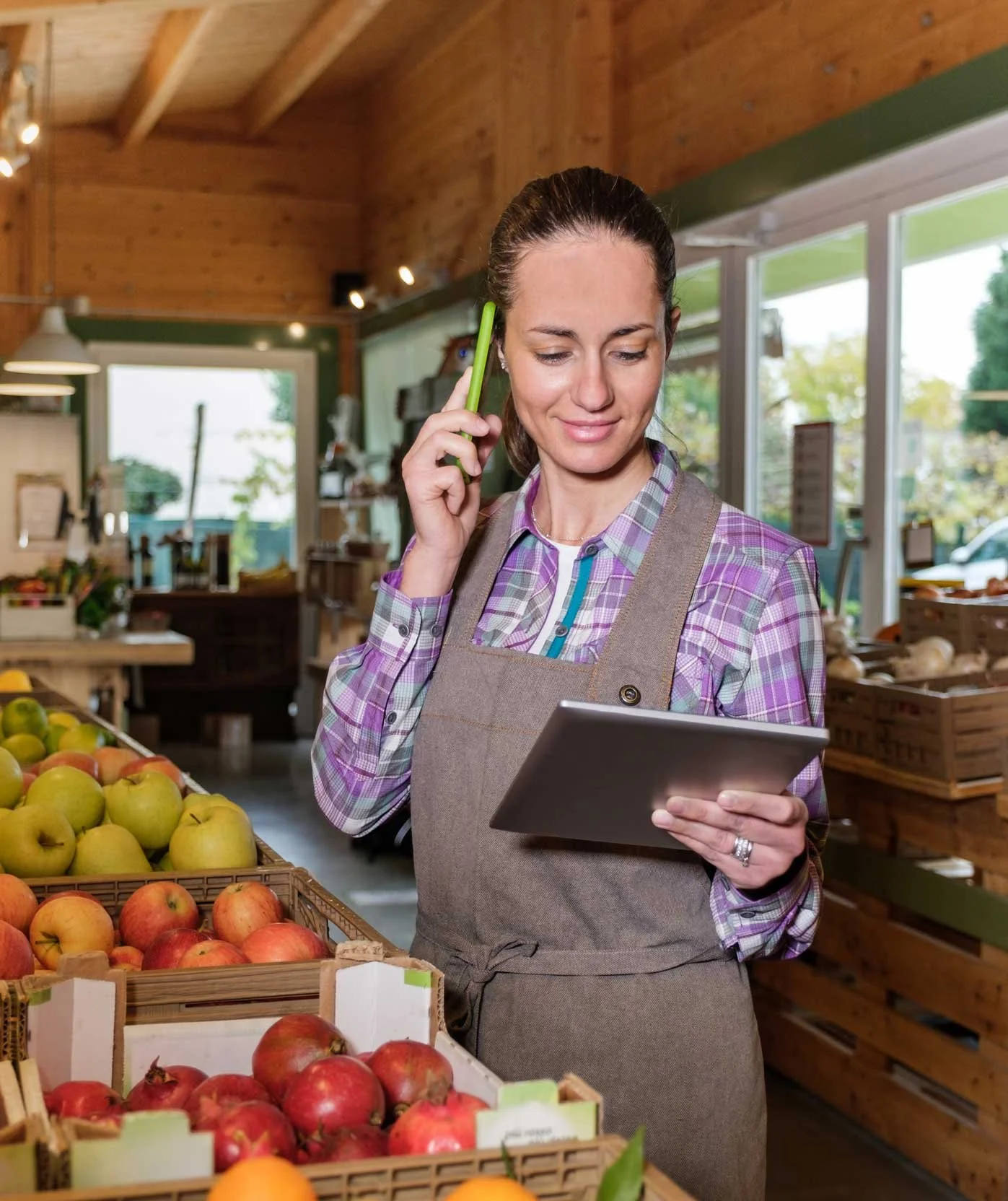
North Dakota Rural Electric Cooperatives Foundation (NDRECF), along with Warehouses4Good and other community partners, are establishing a statewide network of food warehouses serving both first mile (farming, ranching, value added processing) and last mile (distribution, farm-to-school, and pantry support) supply chain needs.
NDRECF identified Minot, ND as the location for the first pilot facility.
Increase community access to healthy, local food.
Promote food sovereignty for families and community members in need.
Establish a food supply chain that directly links local and statewide farmers and ranchers to buyers in north central and northwest North Dakota and beyond.
Establish a model for organizing food-related businesses that can be replicated throughout rural North Dakota.
Impact Throughout the State
Help Make Projects Like These Possible
Warehouses4Good partners with communities across the country to plan and build food hub infrastructure that strengthens local agriculture and expands access to healthy food. Your support helps move these projects from vision to construction.