
Pre-development & planning. Community & stakeholder engagement. Local food chain development. Construction support. Project management & compliance.
Pre-development & planning. Community & stakeholder engagement. Local food chain development. Construction support. Project management & compliance.
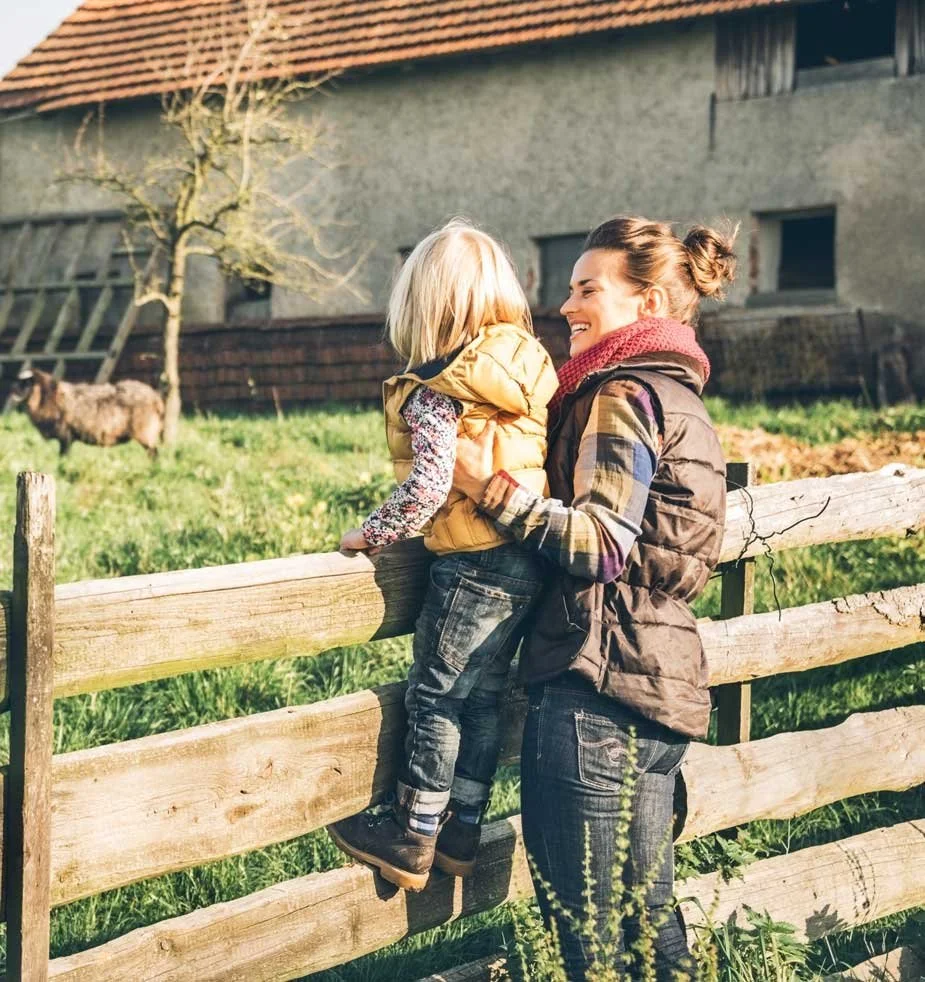
We help rural and Indigenous communities plan, build, and manage the facilities that strengthen local food systems. Our services take projects from idea to operation, supporting long-term access to healthy food and stronger local economies.
Our Services
Project Pre-Development
and Planning
Community and Stakeholder Engagement

Local Food Supply Chain Development
Construction
Support
Project Management and Compliance
Pre-Development and Planning
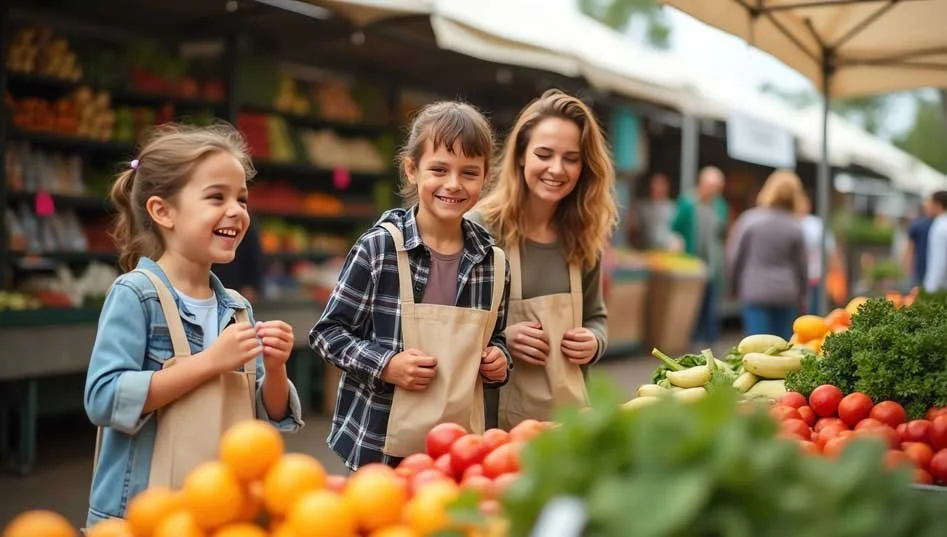
We help communities answer the early questions that determine whether a facility can succeed: what it should do, who it should serve, and how it can operate sustainably. Using structured conversations, surveys, data analysis, and market research, we clarify the “why, what, and how” of each project.
Our team evaluates program needs, service populations, uses, capacity requirements, and space needs. We also assess financial feasibility, develop early operating models, and outline long-term sustainability. This early planning becomes the foundation for design, funding, and successful implementation.
Turning big ideas into workable plans.
Pre-development and planning services may include:
Feasibility analysis and concept planning
Program definition and space needs
Early operating cost modeling and sustainability planning
Funding strategy and capital stack development
Site scenarios: lease vs. buy, renovate vs. build
Support preparing for schematic design
Stakeholder and Community Engagement
Projects shaped by the people they serve.
Every strong facility begins with listening. We help bring partners (e.g., farmers, food banks, local officials, institutions, nonprofits) into one shared process. Through interviews, workshops, community meetings, and board engagement, we gather the insights that shape program design, site selection, and long-term use.
This work builds buy-in, reveals opportunities and barriers, and ensures the project reflects community priorities, not outside assumptions.
Listening sessions, surveys, interviews, workshops
Partnership mapping and role definition
Board briefings and review checkpoints
Equity, access, and public-use considerations
Documented engagement logs for funding and design

Construction Support
Protecting community interests from design through construction.
Example construction support activities include:
Support selecting architects, engineers, and contractors
Navigating zoning, permitting, and environmental reviews
Oversight of design milestones (e.g., SD, DD, CD)
Tracking long-lead equipment and procurement
Weekly construction meetings, site visits, and progress reports
Change order review, pay application review, schedule tracking
Commissioning, closeout, and post-occupancy support
As the Owner’s Representative, we guide organizations through each design phase, schematic, design development, and construction, making sure the facility meets program needs, code requirements, and budget expectations.
When construction begins, we manage quality control, schedule, and cost oversight so nothing falls through the cracks. We coordinate architects, engineers, contractors, permitting agencies, and funders so the community doesn’t have to.
Local Food
Supply Chain Development
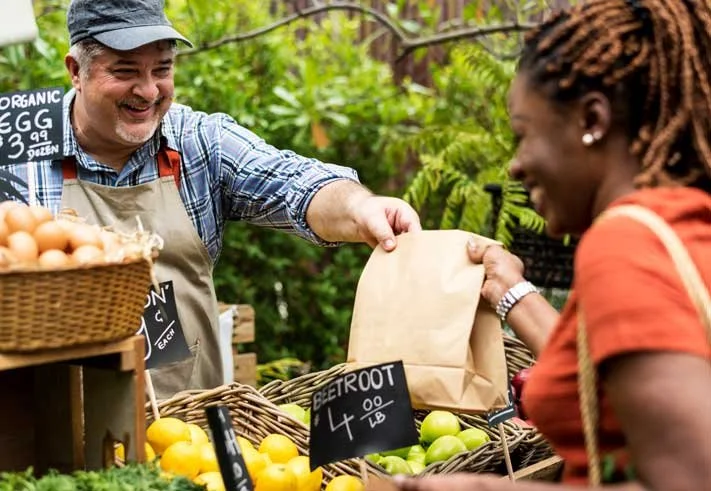
Strengthening how food moves from farm to fork.
Strong infrastructure only works when paired with strong supply chains. We help local producers, aggregators, institutions, and food access partners understand and plan for how food will flow through the facility.
Using volume modeling, product flow analysis, regional data, and logistics planning, we size facilities correctly and build pathways for local sourcing, aggregation, processing, and distribution.
Project Management and Compliance
Keeping complex projects on track.


We manage the details that make capital projects successful: scope, schedule, budget, risk, reporting, procurement, compliance, and documentation. Our team ensures projects meet project requirements (2 CFR 200), follow fair procurement practices, and stay aligned with funding timelines.
We help organizations stay organized from concept through construction, ensuring transparency, accountability, and clean audit trails.
Frequently Asked Questions
-
No. We serve as the Owner’s Representative, guiding the planning and construction process. We help communities choose architects, engineers, and contractors; manage compliance; track schedule and budget; and ensure the facility meets local needs.
-
We begin with listening. Through stakeholder interviews, community meetings, surveys, and workshops, we help partners define what the facility should do and who it should serve. Our process ensures that each project reflects local priorities, cultural values, and long-term operational capacity.
-
Most projects combine federal and state grants, philanthropic contributions, and sometimes local investment. We help partners build a realistic funding plan, meet grant eligibility requirements, and maintain project compliance throughout the project.
-
Each project is locally owned and operated. Our role is to help our partners build the facility and prepare to manage the facility successfully long-term.
-
Absolutely. Whether you’re considering a new facility, expanding existing storage, or exploring a food system strategy, we welcome outreach. You can contact us through our website form, and a team member will follow up.
-
Because we are a nonprofit Owner’s Representative, we give rural and Tribal communities access to expertise typically available only through for-profit firms. Our mission-driven team brings project management, supply chain planning, grant compliance, engineering coordination, and community engagement together to build the infrastructure that strengthens local food systems.
-
Donations directly support efforts to reduce hunger, expand fresh-food access, and strengthen rural and Tribal communities. Your gift helps build the infrastructure for local nutritious food, promoting better health, stronger families, and more resilient local economies.
Still have thoughts or questions? Connect with us!